"Annie was incredibly knowledgeable, funny, calm, and managed the crowds with the expertise of a true professional. My family thoroughly enjoyed this tour and on comparing Annie to other operators’ guides we saw during the tour, we knew we had made the correct choice. I’m not going to lie, this tour was long and hot. I debated about adding the Agora, but I do think it is important to have a guide so you understand what you are looking at. I would not take young children on the combined tour, just because it is long, and even my twenty something kids and I were completely exhausted by the end. Would I do it again? Absolutely! Again, Annie was great and Athen’s Walks was well organized and top notch!"
Athens · Greece · Birthplace of Democracy
Ancient Agora of Athens: Tickets & Guided Tours
Walk the Ancient Agora, the civic heart of classical Athens — see the Temple of Hephaestus, the best-preserved Doric temple in Greece, and the reconstructed Stoa of Attalos. Book the standalone ticket or pair it with the Acropolis on a guided tour.
Top pick
From
$122
per person
Free cancellation
- 4.8 / 5 325+ Reviews
- 3 – 4 hours Duration
- Skip the Line Entry Included
- Expert Guide Licensed Local
- Free Cancellation
The Experience
What a Guided Tour of the Ancient Agora Adds
The Agora is a vast, low-walled field of foundations with little signage — here's what a licensed local guide and a skip-the-line ticket bring to the marketplace where democracy began.
Highlights
- Discover the Acropolis, the heart of ancient Athens, on a guided walking tour
- Learn about the Acropolis' role as a symbol of Greek democracy and culture
- Explore the South Slopes of the Acropolis and enjoy scenic views of the city
- Visit the Parthenon, the Erechtheion, the Temple of Athena Nike, and the Agora
- See the Temple of Hephaestus, the Stoa of Attalos, and other Agora highlights
What's Included
- Expert Guidance
- Enjoy a guided experience led by a licensed, expert archaeologist or historian, offering rich insights into Athens’ ancient wonders.
- Wireless hearing Headsets
- Stay connected throughout the tour with personal wireless headsets, so you can hear your guide clearly—no matter the crowd size or surroundings.
- Comprehensive Tour Experience
- Explore the most iconic landmarks:
- The Acropolis, including the Parthenon, Erechtheion, and Temple of Athena Nike
- The Ancient Agora, the civic and commercial heart of ancient Athens
- All Entry Tickets Included
- Acropolis entrance ticket
- Ancient Agora entrance ticket
- No additional fees—everything is included in your booking!
- Skip-the-Line Access
- Bypass long queues at both the Acropolis and the Ancient Agora—saving valuable time and avoiding the crowds.
- Convenient Meeting Point
- Meet your guide at Porinou 5 a central location, just a 2-minute walk from the Acropolis Metro Station—easy to find and access.
How a Visit to the Ancient Agora Works
Five simple steps from the entrance off Plaka to the Temple of Hephaestus, the Stoa of Attalos, and the Areopagus.
Book Your Ticket or Guided Tour
Reserve a standalone Ancient Agora ticket (about €10) or pick a guided tour that pairs the Agora with the Acropolis. A guided tour arranges skip-the-line entry, so there's no ticket-office queue to join.
Enter Off Adrianou Street in Plaka
The main entrance sits on Adrianou Street at the edge of the Plaka and Monastiraki, a short walk from Monastiraki metro. You step straight from a busy café-lined lane into the open archaeological field of the marketplace.
Walk the Stoa of Attalos & Agora Museum
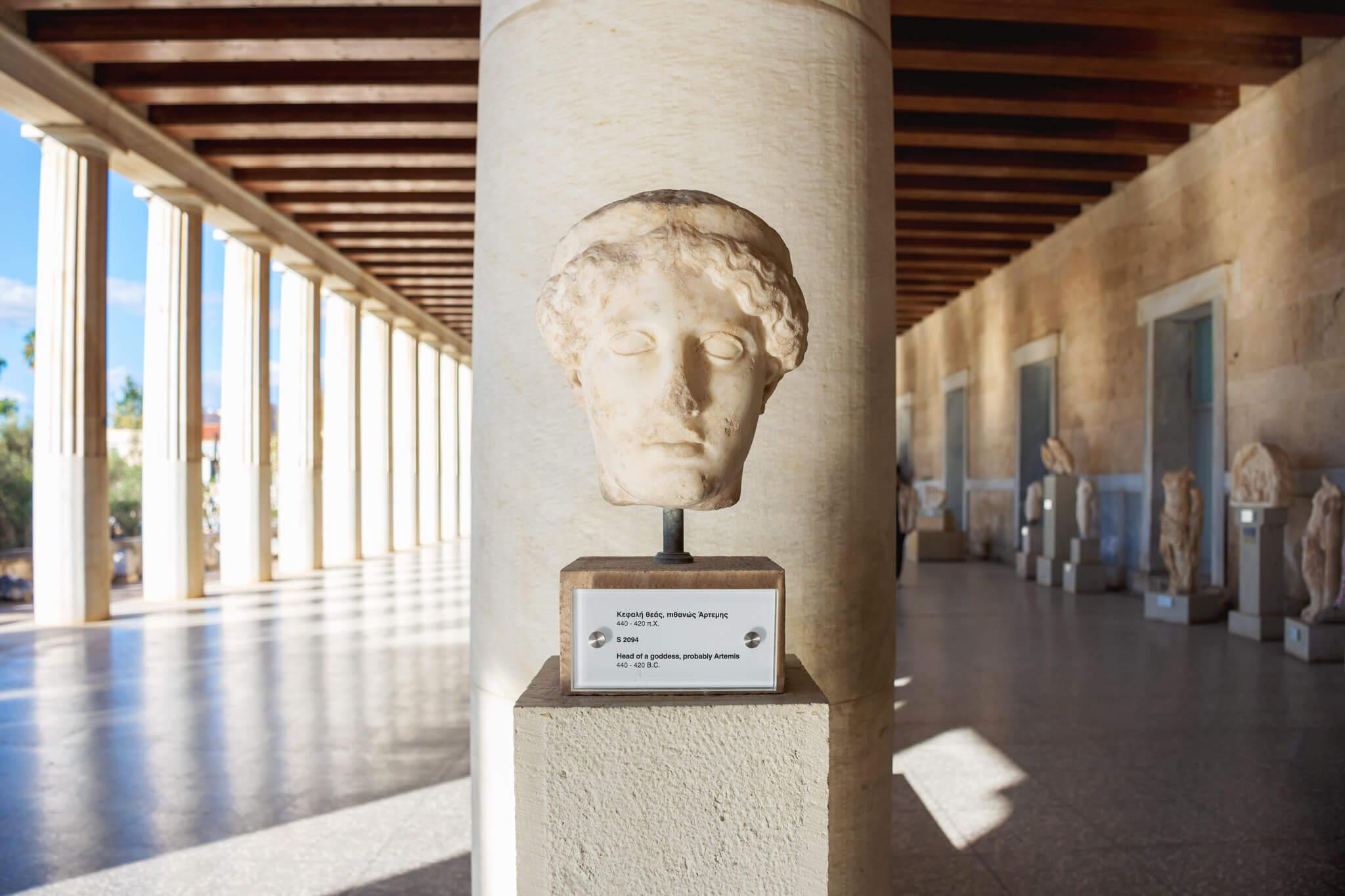
Start at the Stoa of Attalos, the long two-storey colonnade reconstructed in the 1950s, which now houses the Museum of the Ancient Agora — the everyday objects of Athenian democracy, from voting tokens to ostraka used in exile votes.
Climb to the Temple of Hephaestus
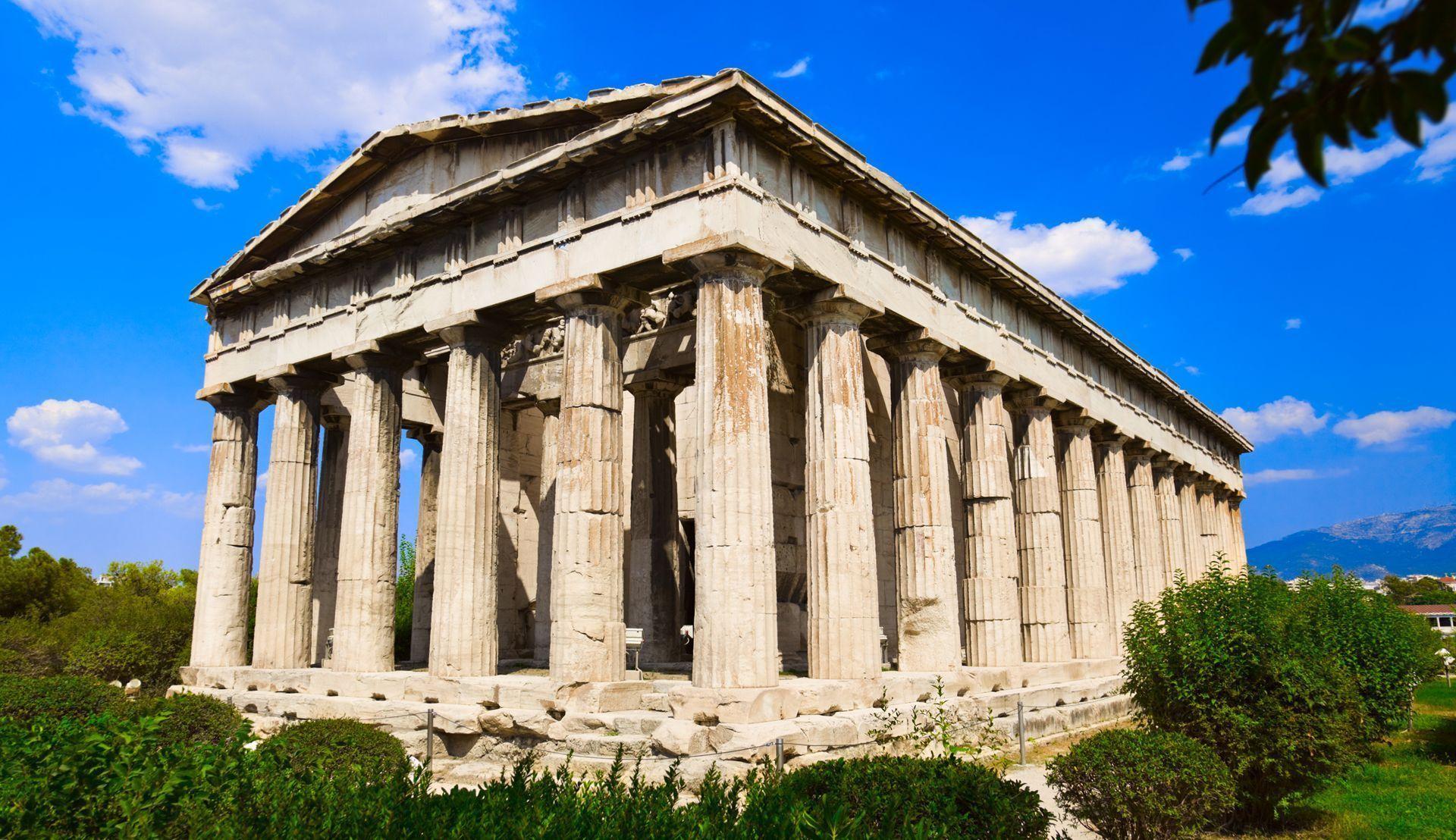
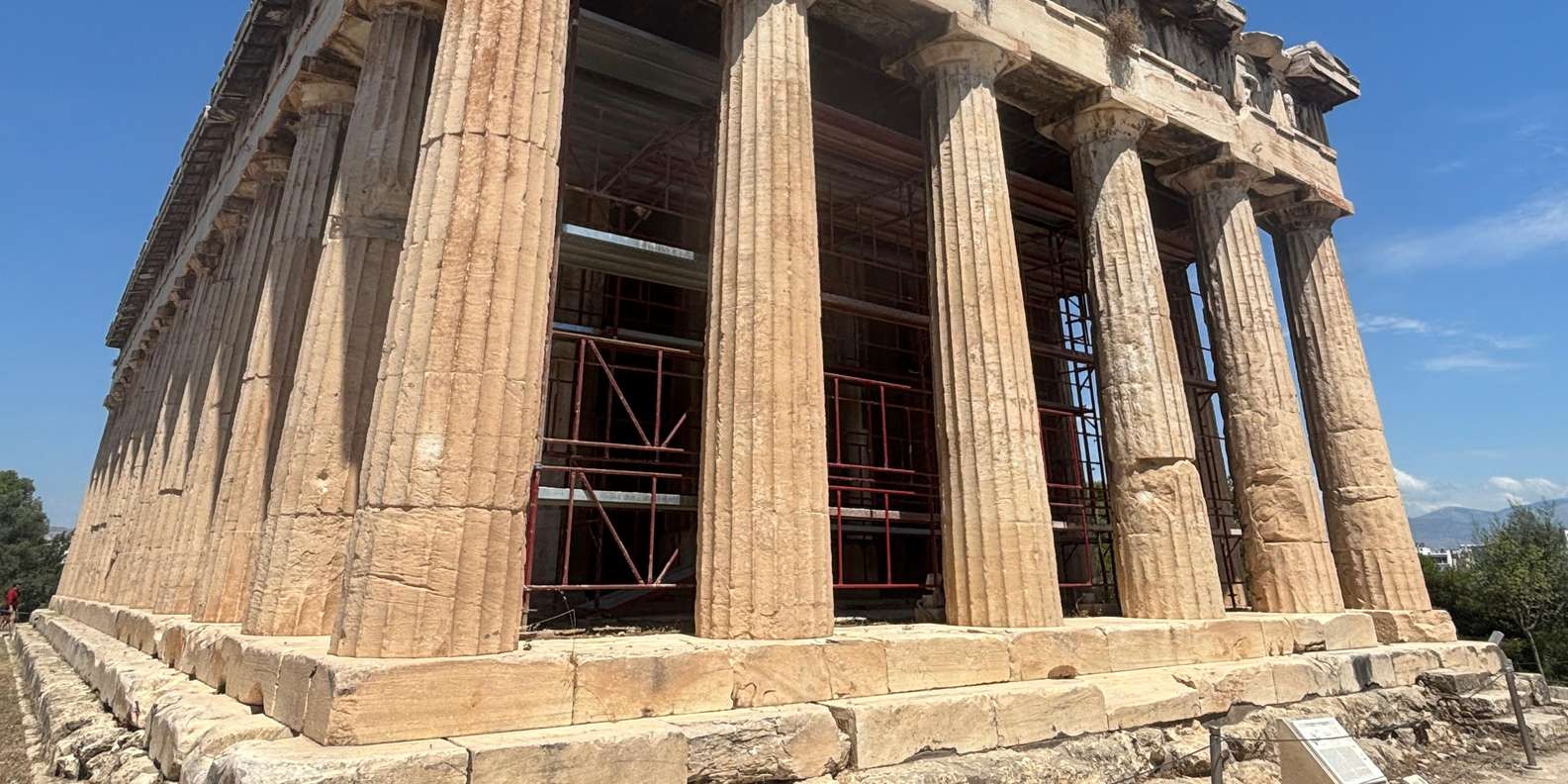
Cross the Agora to its north-west hill and the Temple of Hephaestus — the best-preserved ancient Greek temple in the world, its full Doric colonnade and roof still standing nearly 2,500 years after it was begun around 449 BC.
Finish at the Areopagus
Just outside the Agora, climb the bare marble rock of the Areopagus, the ancient council and court hill with sweeping views up to the Acropolis — and the spot where, tradition holds, the Apostle Paul addressed the Athenians.
Photo Gallery
The Ancient Agora — Through the Lens
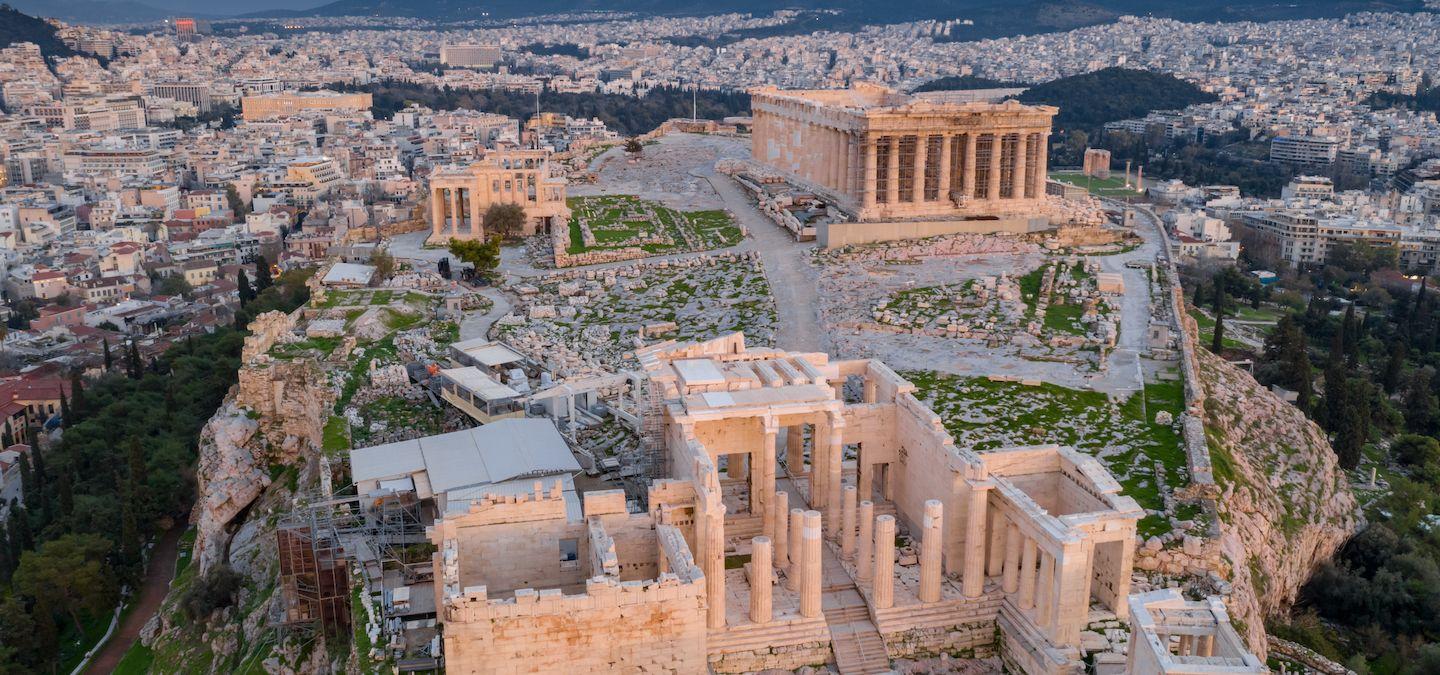
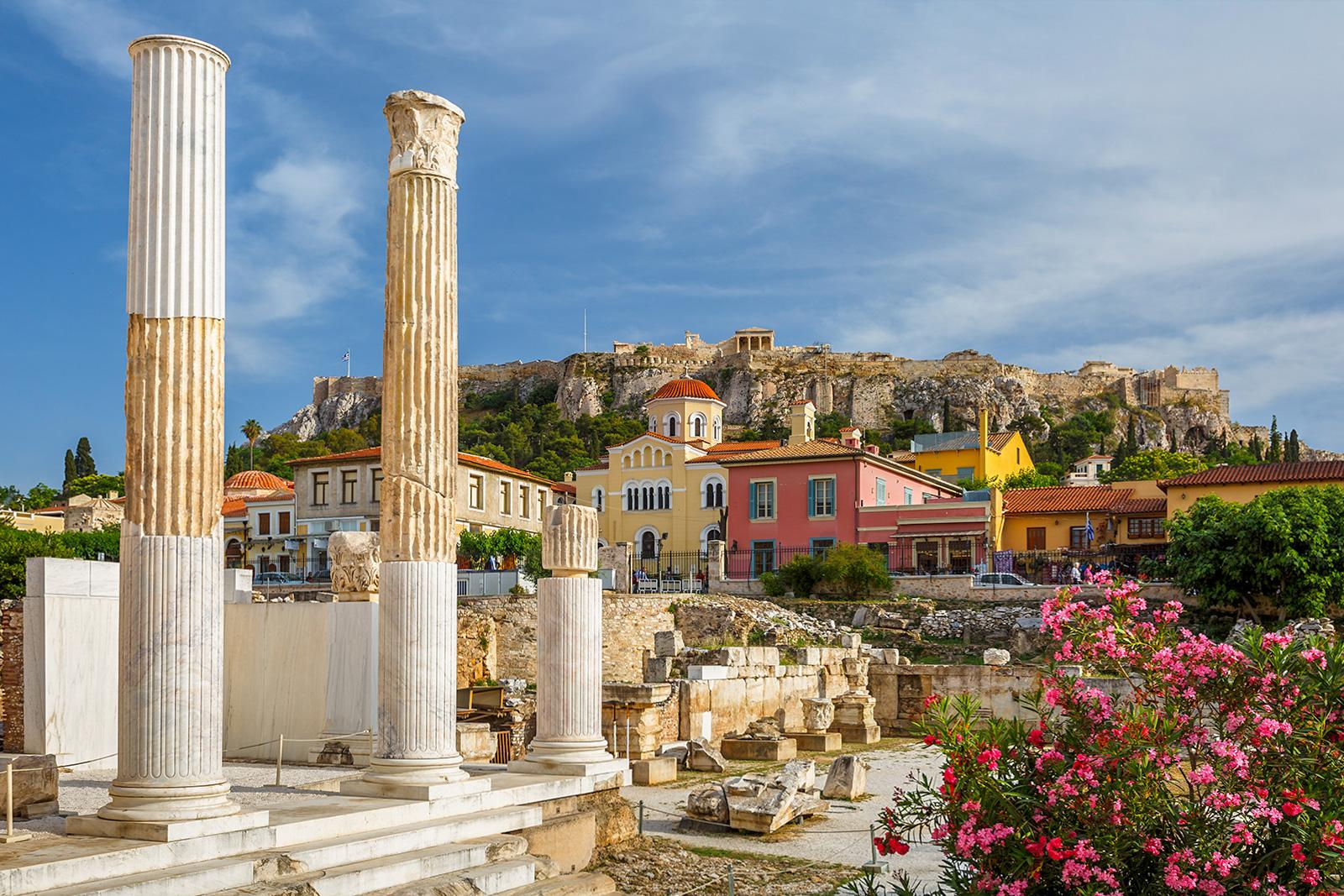
The Temple of Hephaestus on its low hill, the long colonnade of the Stoa of Attalos, the scattered ruins of the marketplace, and the rock of the Areopagus.
Book Your Experience
Check Availability & Prices
Select your preferred date and time. Instant confirmation — free cancellation up to 24 hours before departure.
Guided Tour vs. Standalone Ticket at the Ancient Agora
The Agora is a wide, low-walled field of foundations with little signage — here's how a guided tour compares with going in on the cheap standalone entry ticket, and with a combined Acropolis-and-Agora tour.
| Feature | EASIEST Agora Guided Tour | Ancient Agora Ticket (Direct) | Acropolis & Agora Combo Tour |
|---|---|---|---|
| Entry to the Site | Skip-the-line Agora ticket included | You buy your own ~€10 Agora ticket | Acropolis + Agora tickets included |
| Expert Guide | ✓ Licensed guide explains the marketplace and democracy | No guide — little signage on site | ✓ Licensed guide on the Acropolis and in the Agora |
| What You See | Temple of Hephaestus, Stoa of Attalos, Agora Museum | The whole site, but you self-navigate the ruins | Parthenon + Hephaestus + Stoa in one walk |
| Skip the Ticket Line | ✓ Bypass the ticket-office queue | Queue at the ticket office (short outside peak) | ✓ Bypass the queue at both sites |
| Cost | Guided tour fee (from ~$67/person) | Cheapest — about €10 entry | From ~$64/person (two sites + guide) |
| Best For | Visitors who want the history brought to life | Budget travelers happy to read up first | First-timers wanting the full classical-Athens story |
| Pace | ~2 hours guided, then free time to linger | Fully flexible — stay as long as you like | ~3–4 hours guided across both sites |
| Free Cancellation | ✓ Up to 24 hours before | Depends on where you buy | ✓ Up to 24 hours before on most combos |
| Check Availability | See the Combo |
More Options
Compare Ancient Agora Tours
Standalone Agora walks with fast-track entry, Acropolis-and-Agora combos, democracy-themed small groups, and private guided tours. All with free cancellation and instant confirmation.
 MOST POPULAR
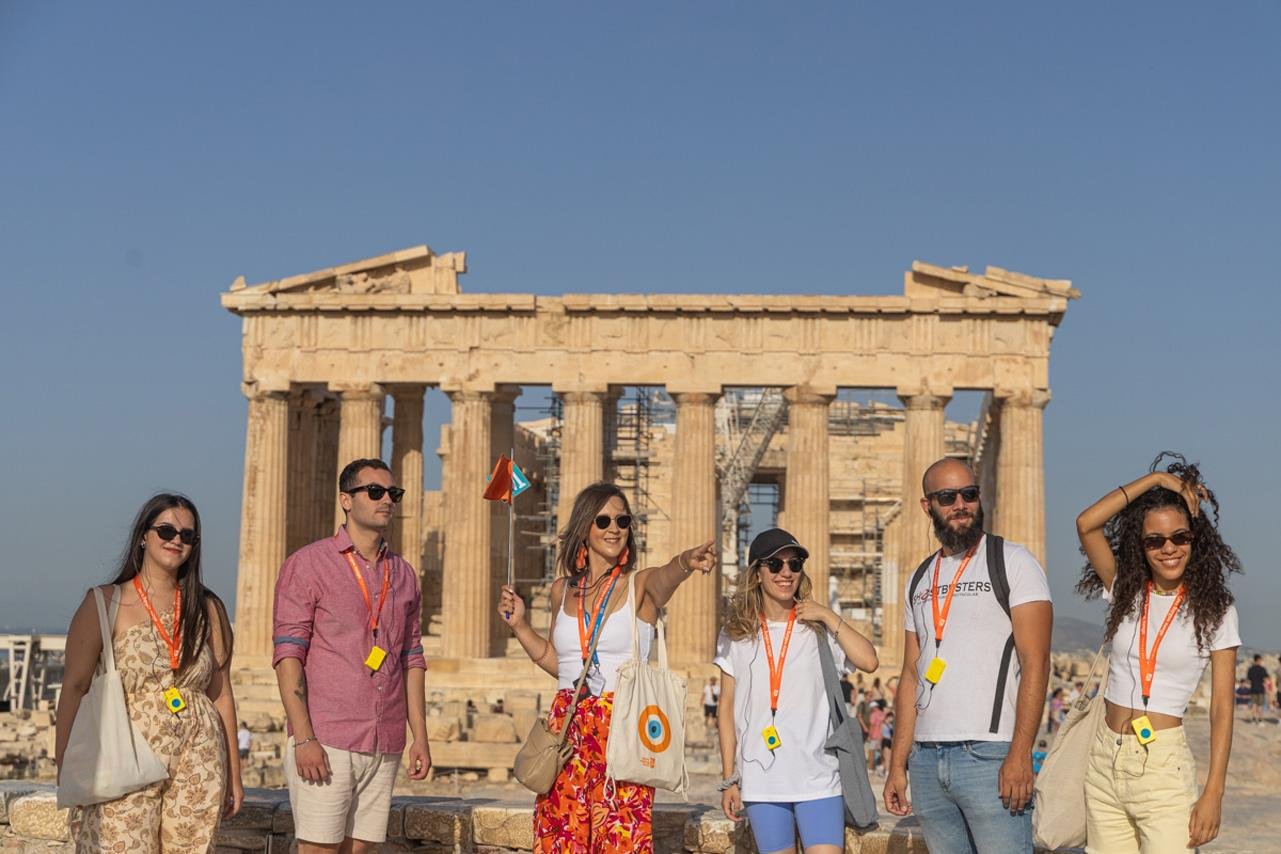
Acropolis & Ancient Agora Guided tour included all Entrances
Combine the Acropolis and the Ancient Agora on one guided walking tour with skip-the-line entry to both — climb to the Parthenon, then explore the marketplace where Athenian democracy was born, including the Temple of Hephaestus and the Stoa of Attalos.
 FAST-TRACK ENTRY
Athens: Ancient Agora Guided Tour with Fast-Track Entry
A focused guided tour of the Ancient Agora of Athens with fast-track entry — walk the civic heart of the classical city with a licensed guide, taking in the Temple of Hephaestus, the Stoa of Attalos, and the Agora Museum.
 BEST VALUE
Acropolis & Agora: The Rise & Fall of Democracy
Trace the rise and fall of Athenian democracy across the Acropolis and the Ancient Agora — a story-driven small-group tour through the law courts, the Bouleuterion, and the assembly spaces where citizens once voted.
 ACROPOLIS + PLAKA
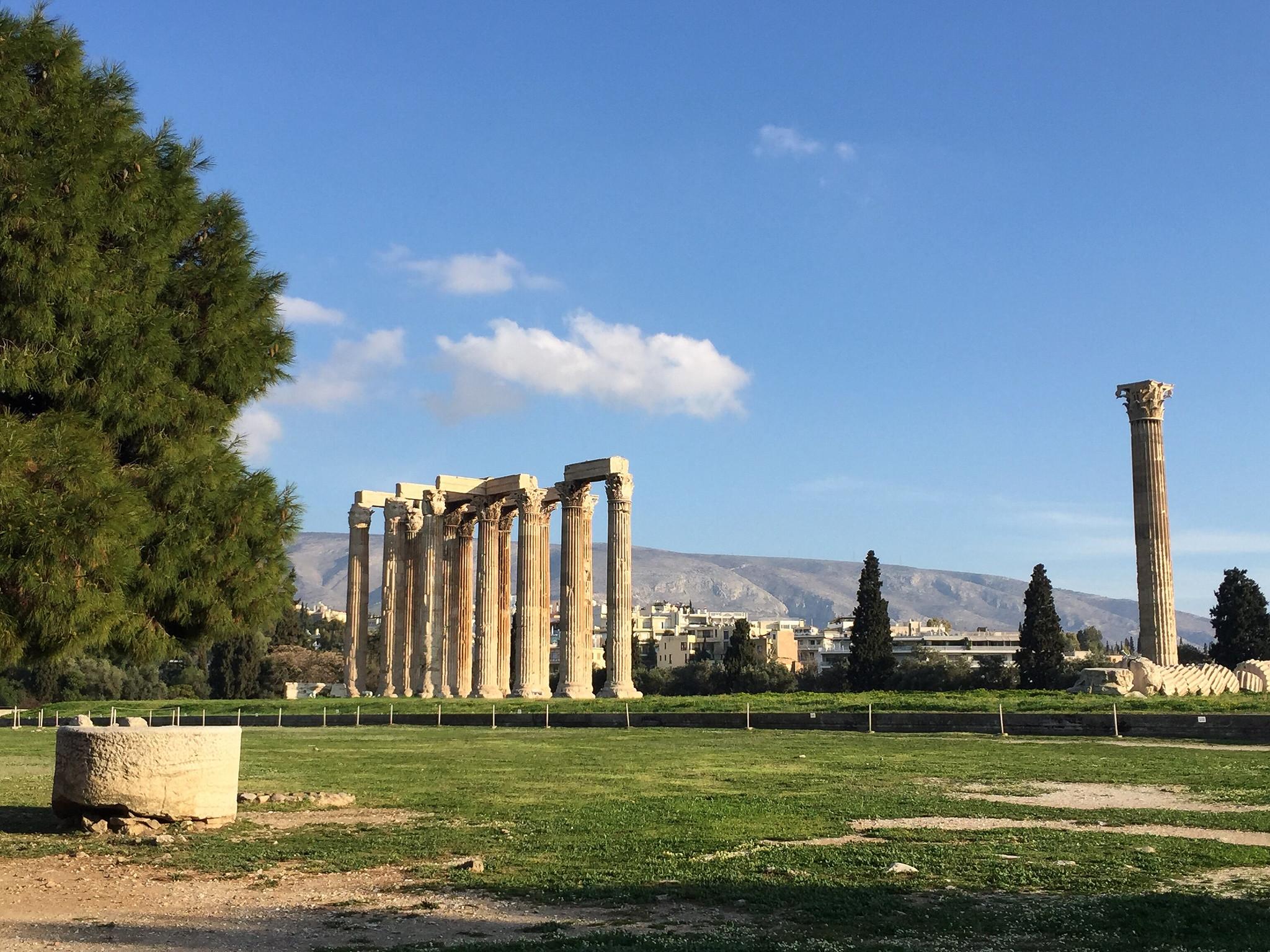
Acropolis, Plaka & Ancient Agora Guided Tour
See the Acropolis, the lively Plaka district, and the Ancient Agora on one guided walk — the Parthenon above and the marketplace below, finishing at the Stoa of Attalos and its Agora Museum.
 PRIVATE TOUR
Athens: Ancient Agora of Athens Private Guided Tour
A private, customizable guided tour of the Ancient Agora of Athens — your own licensed guide leads you through the Temple of Hephaestus, the Stoa of Attalos, and the birthplace of democracy at your own pace.
The Complete Guide
Everything You Need to Know About the Ancient Agora
The marketplace where democracy was born — what to see, what it costs, and how to plan a calm, rewarding visit just below the Acropolis.
The Ancient Agora of Athens is, to many people who study it, a more important place than the Acropolis on the hill above. The marble temples of the Acropolis are the city’s crown, but the Agora was its living heart: the marketplace, the law courts, the council chamber, and the open ground where ordinary Athenian citizens met, traded, gossiped, served on juries, and — for the first time anywhere — governed themselves. The word agora means “gathering place,” and it is no exaggeration to call this dusty field the birthplace of democracy. It is also where Socrates spent his days questioning whoever would talk to him, and where, four centuries later, the Apostle Paul addressed the Athenians from the rock of the Areopagus.
What You’re Actually Looking At
First-time visitors are sometimes thrown by the Agora. After the soaring columns of the Acropolis, the marketplace can read as a confusing field of low foundations, scattered column drums, and footpaths under olive and cypress trees. That impression is exactly why the site rewards a little preparation — or a guide. What looks like rubble is the floor plan of an entire civic centre: the round Tholos where the executive committee of the council ate and slept; the Bouleuterion where the Council of 500 met; the long civic stoas; and the boundary stones that marked where the sacred public space began.
The single most striking monument needs no explanation at all. On the low hill at the western edge stands the Temple of Hephaestus, dedicated to the god of metalworking and fire (the area was the city’s foundry and craft quarter). Begun around 449 BC, it is the best-preserved ancient Greek temple in the world — more complete than the Parthenon, with its full Doric colonnade of 34 columns and much of its roof still standing after nearly 2,500 years. For visitors who want to understand what a classical temple really looked like, intact, this is the building to see.
The Stoa of Attalos and Its Museum
The other unmissable structure is the Stoa of Attalos, the long, gleaming two-storey colonnade that closes the eastern side of the site. It is not, strictly, ancient in the way the rest is: the original was a covered shopping arcade gifted to Athens by King Attalos II of Pergamon in the 2nd century BC, and it was rebuilt from its own materials between 1952 and 1956 by the American School of Classical Studies at Athens, with funding from the Rockefeller family. That reconstruction is the one place in the Agora where you can walk through a building as Athenians once did.
Inside, the Museum of the Ancient Agora displays the small, human finds that bring the politics back to life: bronze ballots and the kleroterion, a stone machine used to select juries and officials by lot, and — most evocative of all — the ostraka, broken pottery shards on which citizens scratched the names of politicians they wished to banish. Our word ostracism comes straight from these shards. It is one of the most direct, tangible links to ancient democracy anywhere in the world.
Tickets and What They Cost
The Ancient Agora is one of the better-value sites in Athens. As of 2026 the standalone adult ticket is about €10 (roughly €5 reduced; free for EU under-25s), and it includes the museum in the Stoa of Attalos. Be aware of one change worth knowing before you plan: the old €30 combined ticket — valid five days and covering the Acropolis plus the Agora and five other sites — was discontinued in April 2025. You now generally buy individual tickets through the official Hellenic Heritage e-ticketing service, although some tour operators still bundle the Acropolis and Agora into a single guided visit. Prices are set by the Greek Ministry of Culture and do change, so confirm the current rate when you book.
A guided tour costs more than the bare ticket but does the work the sparse signage doesn’t: it turns the foundations back into a functioning city and explains why this ground, more than the temples above it, shaped the Western idea of citizenship. Many of the best tours pair the Agora with the Acropolis so you get both stories in one walk.
When to Go
The Agora is open-air. In summer (1 April–31 October) it generally opens at 8am and closes around 7:30pm; in winter it closes earlier, near 5pm, and hours can shift on holidays or extreme-heat days. The real planning tip is this: the Agora is far quieter than the Acropolis. While the citadel above can be packed shoulder-to-shoulder by mid-morning, the marketplace just downhill stays calm, shaded, and walkable — many visitors find it the more atmospheric of the two. Go early for the coolest light and the emptiest paths, wear proper shoes for the uneven gravel and slippery marble, and bring water; shade is patchy.
When you’re ready to walk the ground where democracy was invented — past the best-preserved temple in Greece and into the museum of the marketplace — check tour availability.
Guest Reviews
What Travelers Say
4.8/5
from 325 verified guests
"Fantastic tour - our guide Egge (sorry for the misspelling!) was so engaging and we learned a lot! Glad we opted for the Agora as well as the Acropolis!"
"The guide was incredible. Took us up in a very organized manner, gave a ton of info but not in an overwhelming way. easy style - gave time for pictures and answered questions. She was really incredible!"
"The tour was really great! Hitting the Acropolis at 9 am was very nice as it wasn’t too crowded and the sun wasn’t at its peak. Our tour guide was very knowledgeable and charismatic! Unfortunately we forgot her name. but she did a great job of expanding on the important parts of both the Acropolis and the Agora. She brought out a lot of the history of Athens, not just the ancient history, but even up through to post WWII. One recommendation for the tour, would be to add a pit stop between the Acropolis and the Agora for people to purchase water or ice cream, just to make the last part of the guide more bearable!"
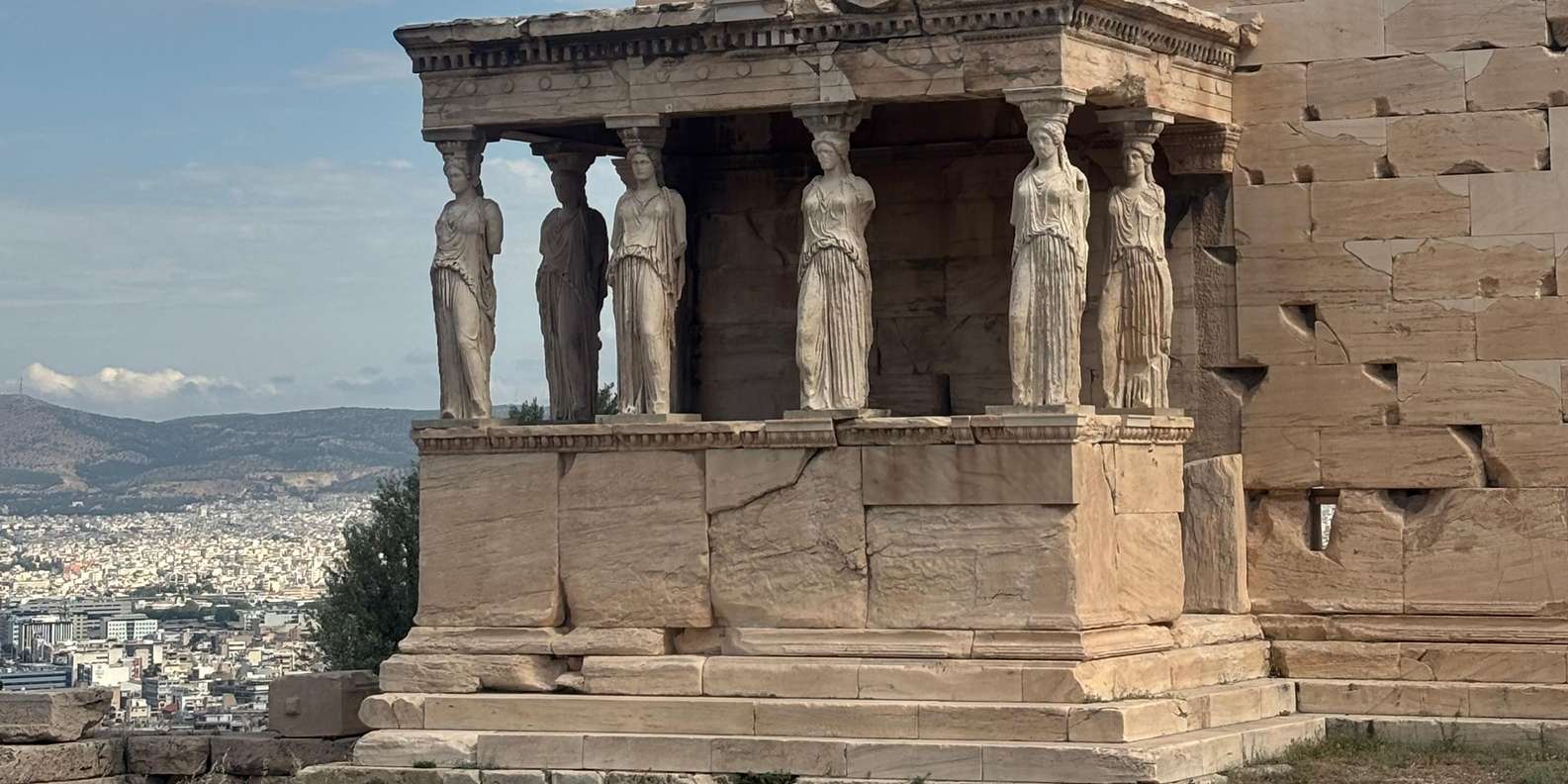
"Antonia was amazing!!! She was so known and personable. She had so much great information and made the trip so much more enjoyable. Highly recommend to all. Great tour."
Read all 325 verified reviews
See All ReviewsSee Where Democracy Was Born
Skip the ticket queue and let a licensed local guide bring the Ancient Agora to life — the Temple of Hephaestus, the Stoa of Attalos, and the very ground where Athenian citizens once voted. Free cancellation up to 24 hours before. Starting from $122 per person.
Check Availability & BookCan't Make These Dates?
Browse More Available Options
Find a tour that fits your schedule — all with instant confirmation and free cancellation.
Frequently Asked Questions About the Ancient Agora of Athens
Everything you need to know before visiting the marketplace where Athenian democracy was born.
The Ancient Agora was the central public space of classical Athens — its marketplace, civic centre, and the place where citizens gathered, traded, argued, and governed. It is where Athenian democracy took practical shape, where the law courts and council met, and where Socrates questioned passers-by. Today it is an open archaeological site below the north-west slope of the Acropolis, dominated by the Temple of Hephaestus and the reconstructed Stoa of Attalos.
As of 2026 the standalone adult ticket to the Ancient Agora is around €10, with a reduced rate (about €5) for over-65s and non-EU visitors aged 6–25. Entry is free for EU residents under 25 and for children under 5. Prices are set by the Greek Ministry of Culture and can change — check the official Hellenic Heritage e-ticketing site for the current rate.
It used to be. The old €30 combined ticket — valid five days and covering the Acropolis plus the Agora, Roman Agora, Hadrian's Library, Kerameikos and the Olympieion — was discontinued in April 2025. You now generally buy individual site tickets through the official e-ticketing service, though some operators bundle the Acropolis and Agora together. Always confirm what a given ticket covers before you buy.
The Agora is one of the most rewarding sites to have explained, because so little of it is obvious. To the untrained eye it can look like a field of scattered foundations with sparse signage. A licensed guide rebuilds it for you — where the law courts stood, how citizens were chosen by lot, what an ostrakon was, and why this ground matters to the whole history of democracy. If you prefer to wander on your own, the ~€10 ticket is the budget option, ideally with a good map or app.
Three highlights stand out. The Temple of Hephaestus, on the low hill at the west, is the best-preserved ancient Greek temple in the world — its full Doric colonnade and roof still standing from around 449 BC. The Stoa of Attalos, a long two-storey colonnade reconstructed in the 1950s, houses the Museum of the Ancient Agora. And just outside the site is the Areopagus, the bare marble council hill with a famous view up to the Acropolis.
The Stoa of Attalos was a covered shopping arcade gifted to Athens by King Attalos II of Pergamon in the 2nd century BC. It was rebuilt from its original materials between 1952 and 1956 by the American School of Classical Studies at Athens, making it the one building on the site you can walk through as it once was. Inside, the Museum of the Ancient Agora displays finds from the excavations, including bronze voting tokens and the ostraka — pottery shards inscribed with the names of politicians Athenians voted to exile.
Most visitors spend about 1.5 to 2 hours at the Agora, including the museum in the Stoa of Attalos. A guided walk on the site typically runs around two hours. If you combine it with the Acropolis on one tour, plan on three to four hours in total.
In summer (1 April–31 October) the site is usually open daily from 8am to about 7:30pm; in winter it closes earlier, around 5pm. Hours can change on public holidays and during extreme-heat days, so check the official site before you go. Mornings are the coolest and quietest time to visit.
They are two separate sites a few minutes apart. The Ancient (Greek) Agora is the large classical marketplace below the Acropolis with the Temple of Hephaestus and the Stoa of Attalos. The smaller Roman Agora, built under Augustus, lies just to the east and is best known for the octagonal Tower of the Winds. Tickets are separate. This page is about the larger Ancient Agora.
Yes, noticeably. The Acropolis can be packed shoulder-to-shoulder in high season, while the Agora — just downhill — is far calmer, with room to breathe and shaded paths under the trees. Many visitors find it the more atmospheric of the two, and it's the better place to actually picture daily life in classical Athens.
The Areopagus is a rocky outcrop between the Agora and the Acropolis that served as the ancient council and homicide court of Athens. It is free to climb and offers one of the best views of the Acropolis. In Christian tradition it is where the Apostle Paul preached his 'sermon to the Athenians' (Acts 17). The marble is polished and slippery, so wear good shoes and take care.
No — the tours listed here are run by independent, top-rated local operators and state-licensed guides, not by the authority that owns the site. That's the normal arrangement: the state sells site entry, while operators provide the guided experience and skip-the-line tickets. The trust signals to look for are high review counts, certified guides, small groups, and free cancellation.
Comfortable non-slip shoes, a hat, sunscreen, and water — the site is open-air with limited shade and the marble and gravel paths can be uneven. Bring your booking voucher on your phone. If you plan to climb the Areopagus afterwards, sturdy shoes are essential because the rock is famously slippery.
Still have questions? Email us at info@ancient-agora-tickets.com